Sin to Virtue
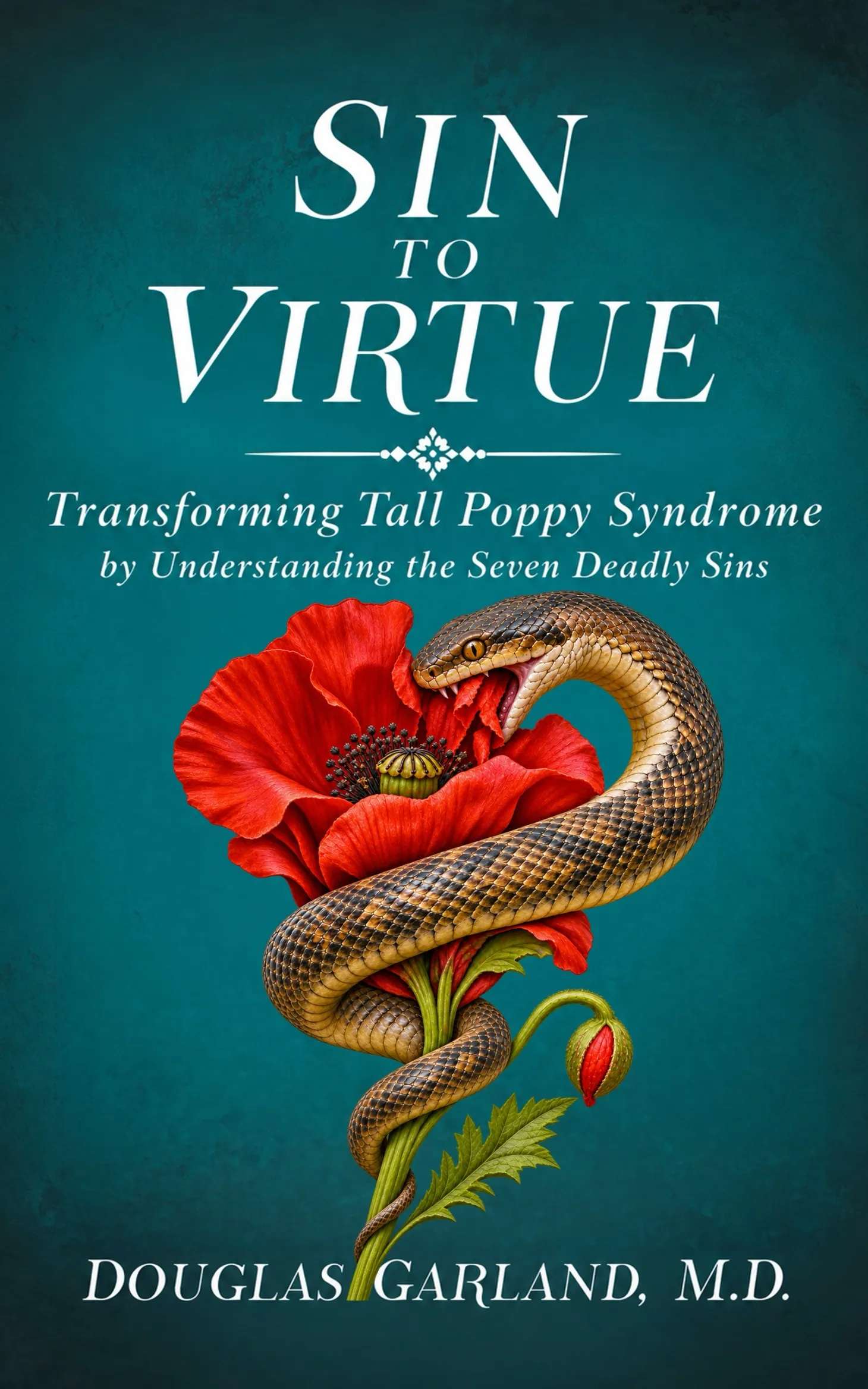
Table of Contents
Transforming Tall Poppy Syndrome by Understanding the Seven Deadly Sins
Latest book by Douglas Garland.
In Sin to Virtue, renowned Tall Poppy authority Dr. Douglas Garland, M.D., reveals the hidden psychological architecture behind this universal impulse. Merging decades of medical analysis with the ancient framework of the Seven Deadly Sins, Dr. Garland deconstructs how dark emotions—like envy, pride, and wrath—fuel modern "cutters" in our workplaces, institutions, and everyday lives.
Sin to Virtue: Chapter Introductions
An authoritative overview of Dr. Douglas Garland's Sin to Virtue: Transforming Tall Poppy Syndrome by Understanding the Seven Deadly Sins. The latest work from Dr. Garland pulls from his 10+ years of research to outlin the cultural origins, psychological mechanics, historical allegories, modern case studies, and transformative counter-virtues of Tall Poppy Syndrome.
Chapter 1 – Tall Poppy Syndrome
The inaugural chapter introduces Tall Poppy Syndrome (TPS)—the widespread social tendency to criticize, resent, or "cut down" individuals who stand out due to conspicuous success, talent, wealth, or status. Grounded in the ancient fables of Herodotus (where Thrasybulus lopped off the tallest ears of wheat) and Livy (where King Tarquin the Proud struck the heads off the highest poppies in his garden), the text establishes the fundamental visual metaphor of social leveling.
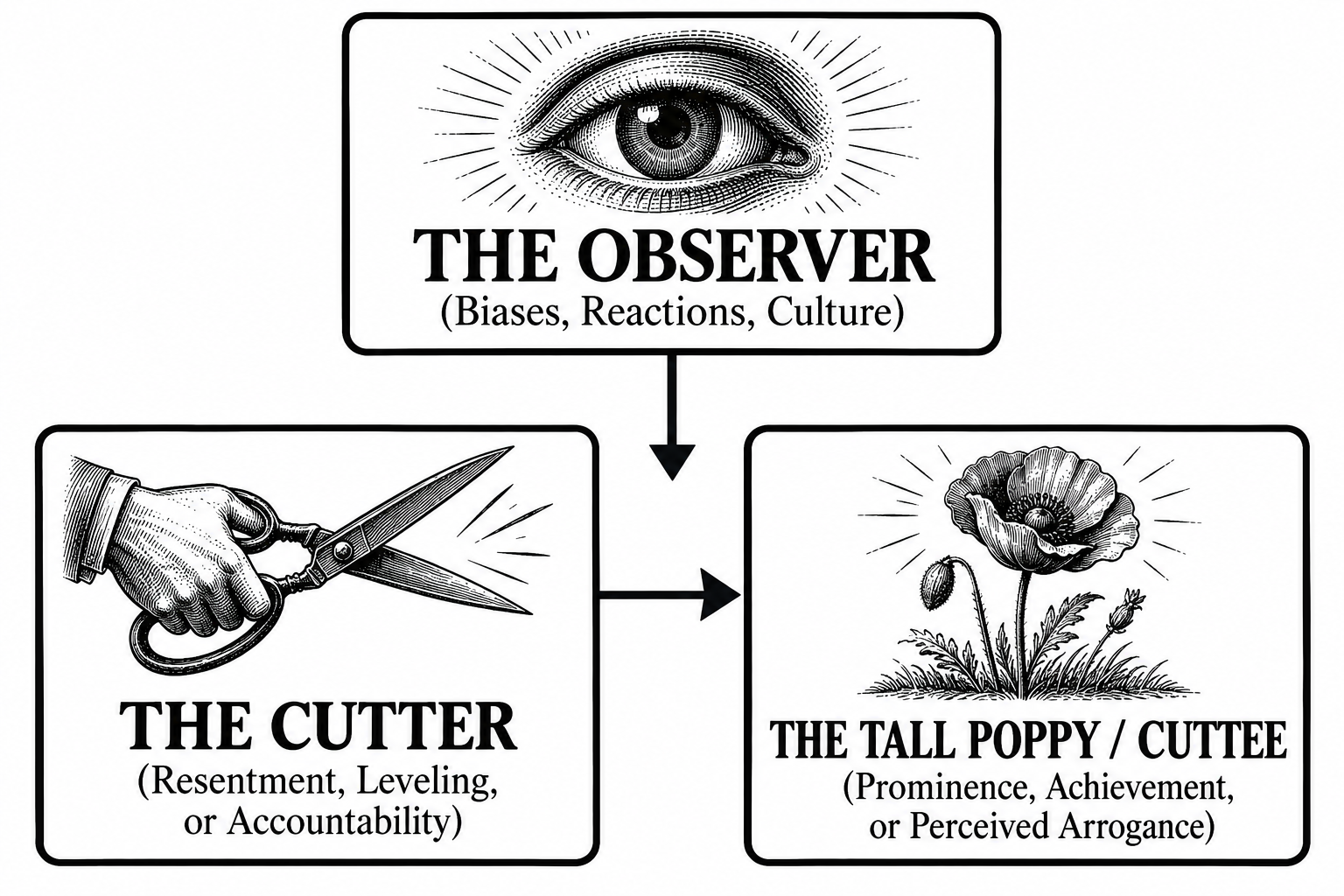
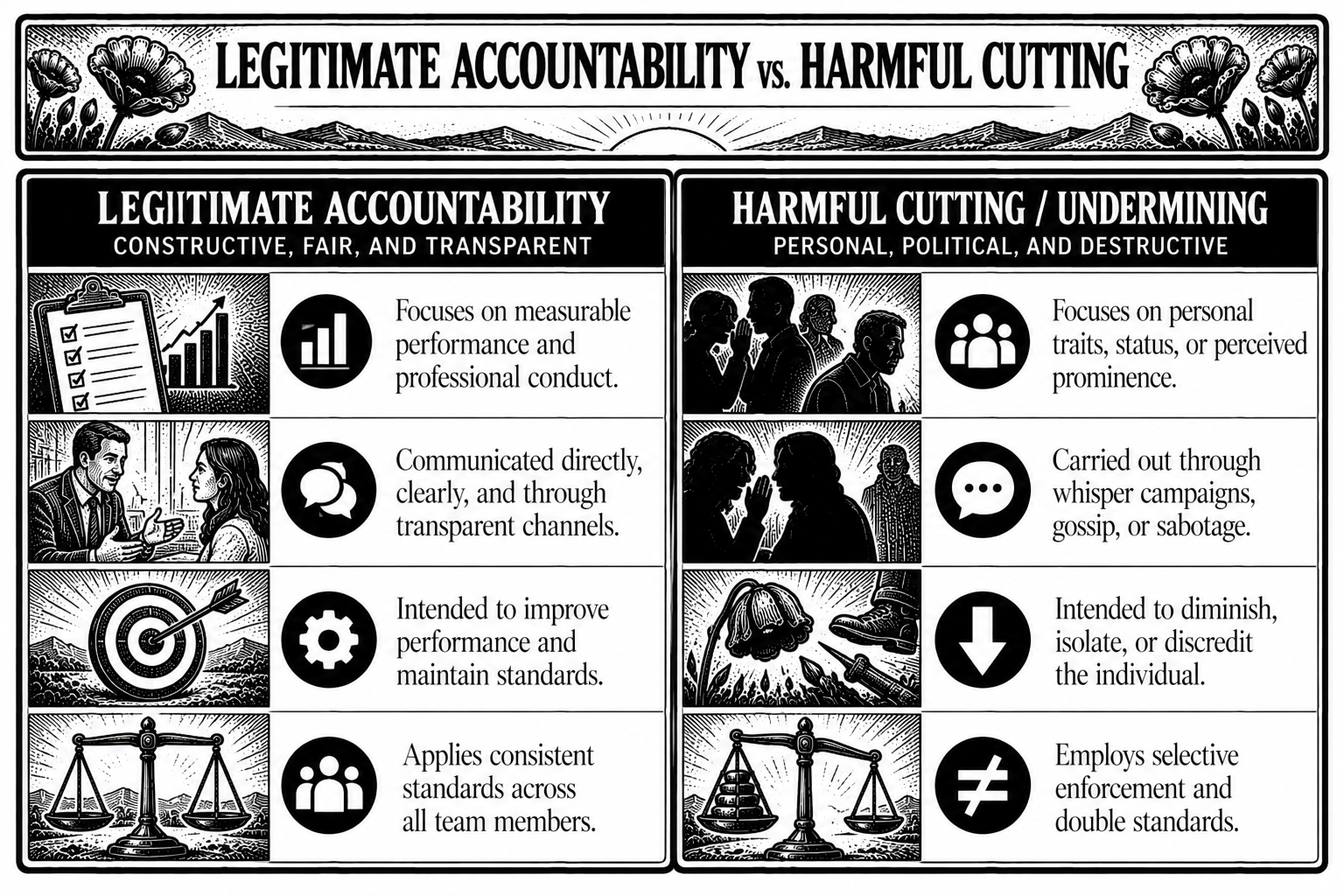
Dr. Garland outlines the critical distinction between private (peer-to-peer) dynamics within immediate "tribes"—such as workplaces, families, and academic departments—and public dynamics mediated by press and digital platforms. The chapter introduces the four primary actors in any tall poppy interaction: the Tall Poppy, the Cutter, the Cuttee, and the Observer. Crucially, it establishes that legitimate ethical oversight and professional accountability must never be confused with malicious, envy-driven cutting.
Chapter 2 – The Seven Deadly Sins as an Interpretive Lens
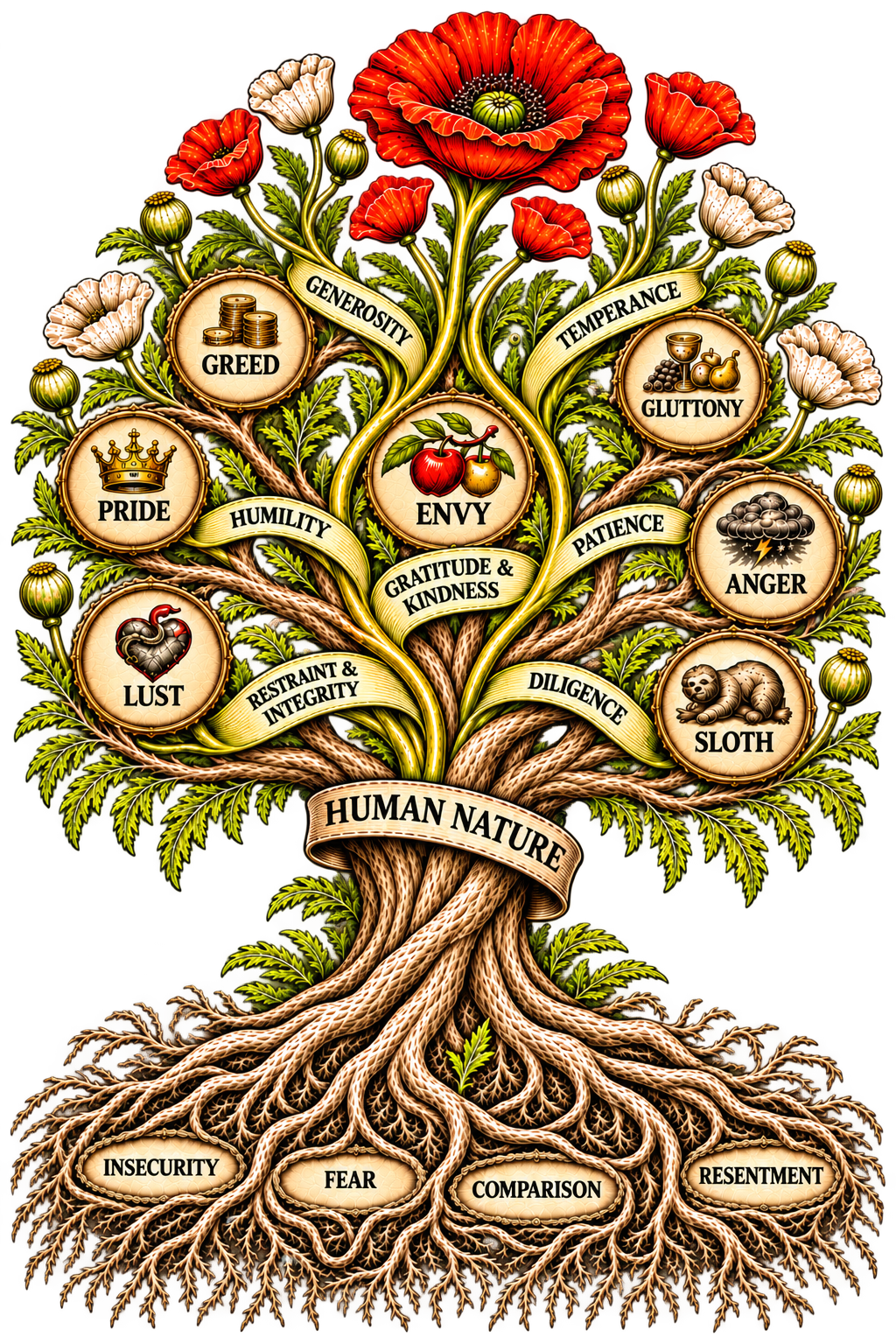
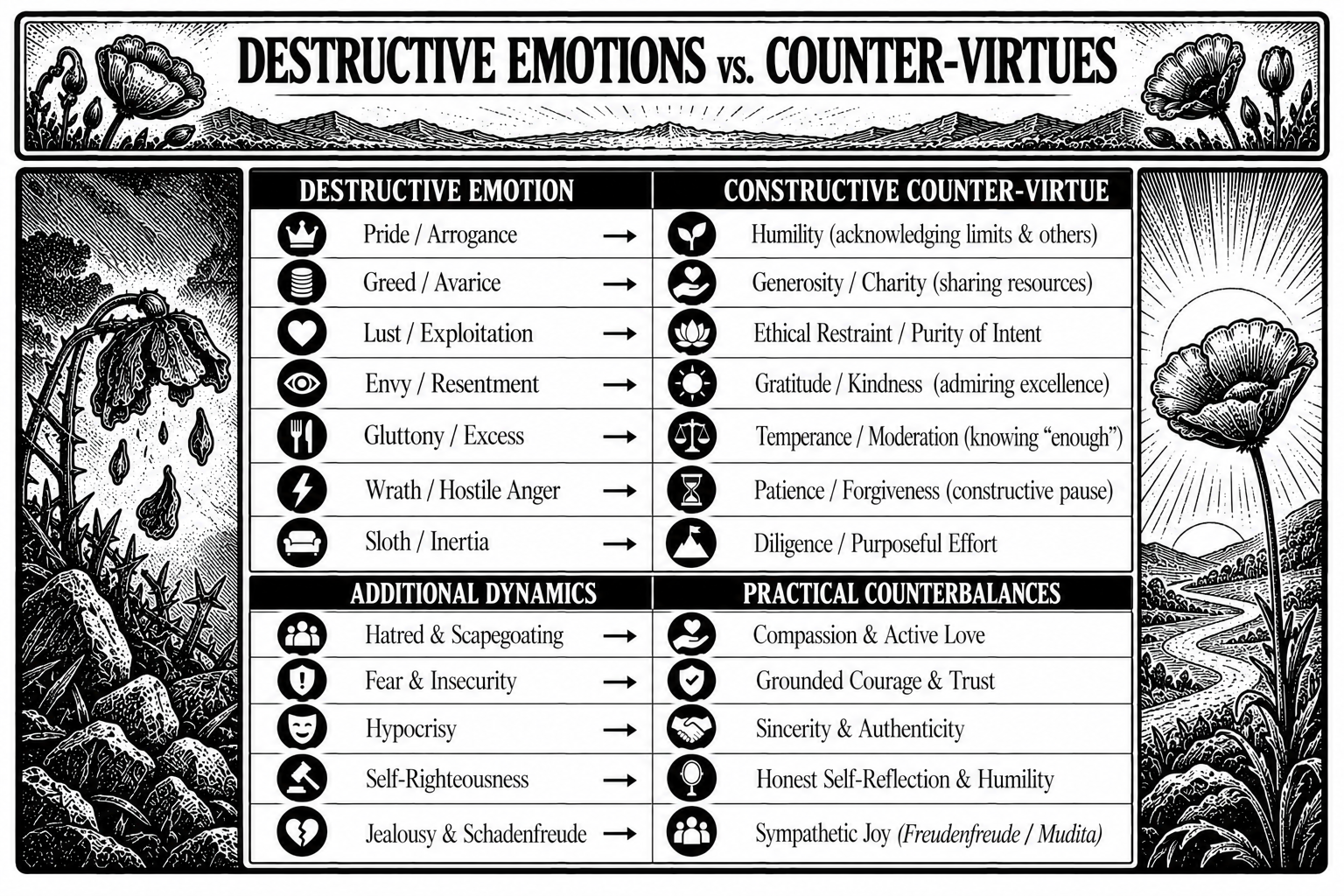
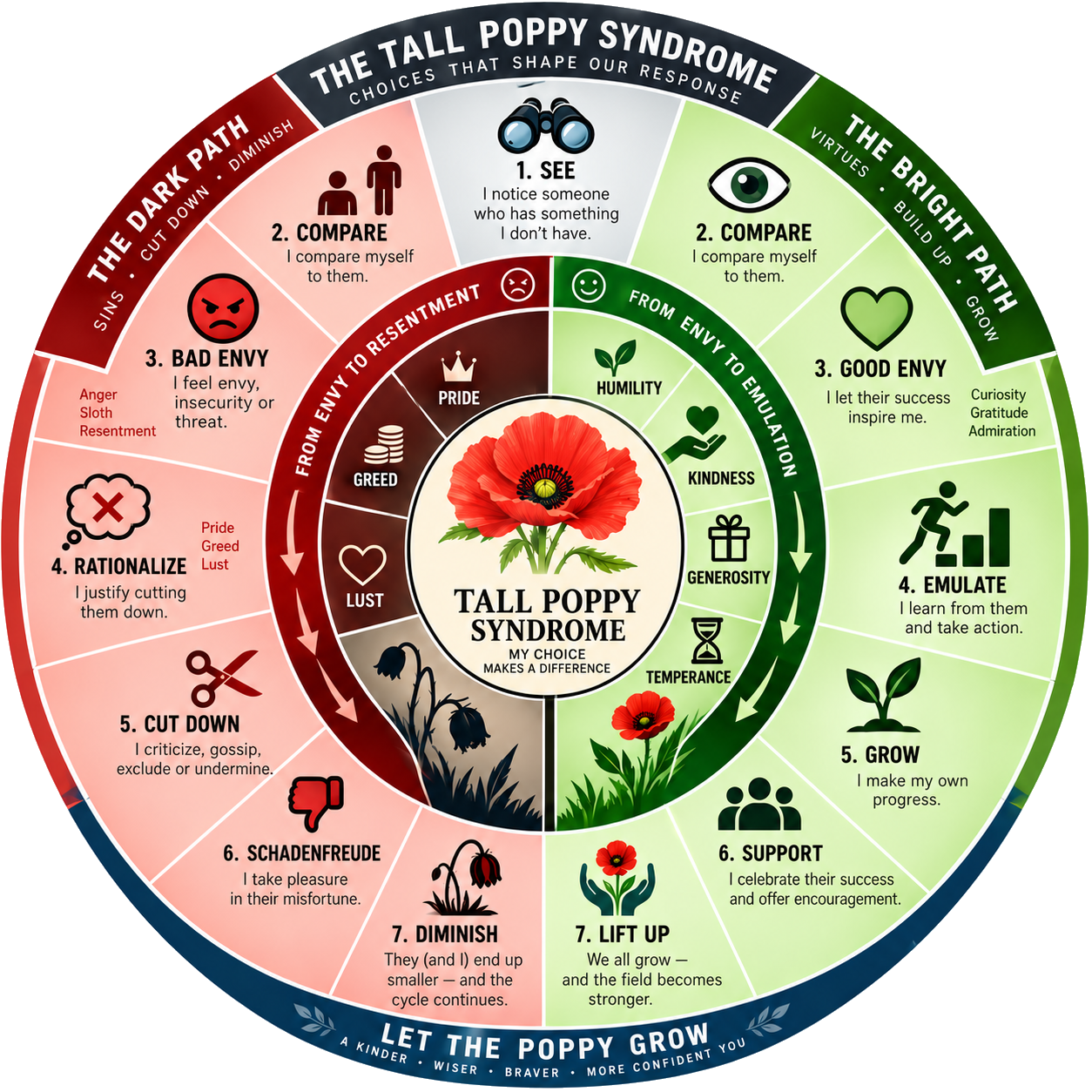
Establishes the central conceptual framework of the book: using the classical taxonomy of the Seven Deadly Sins (pride, envy, anger, sloth, greed, lust, and gluttony) alongside their counterpart virtues as an interpretive lens for analyzing social leveling. Beginning with the ancient Roman legend of Tarquin the Proud and the tragic catalyst of Lucretia, the chapter explores how autocratic overreach and unbridled hubris provoke systemic collapse.
Chapter 3 – Envy, Anger, Sloth: The Cutter’s Emotional Mindset
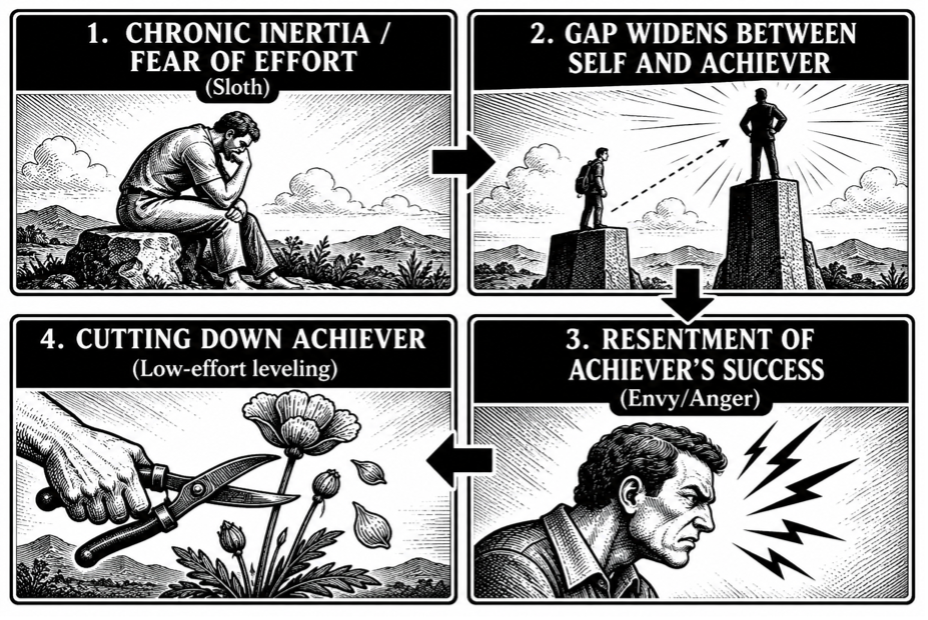
Dissects the internal emotional landscape of the "cutter," focusing on the triad of vices that most frequently drive peer-to-peer leveling: envy, anger (wrath), and sloth (inertia). Drawing upon social psychologist Richard Smith’s research, the text examines how social proximity, domain self-relevance, and perceived attainability dictate whether upward social comparison triggers benign emulation or malicious resentment. The chapter weaves together historical allegories and modern case studies.
Chapter 4 – Pride, Greed, Lust, and Excess: Flaws, Overreach, and Achiever Vulnerability
Shifting focus from the cutter to the high achiever, Chapter 4 examines how high visibility combined with personal flaws—pride (hubris), greed (avarice), lust (unregulated desire), and gluttony (excess)—creates vulnerabilities that invite severe public backlash and institutional downfalls. The chapter illustrates these vulnerabilities through four detailed contemporary case studies.
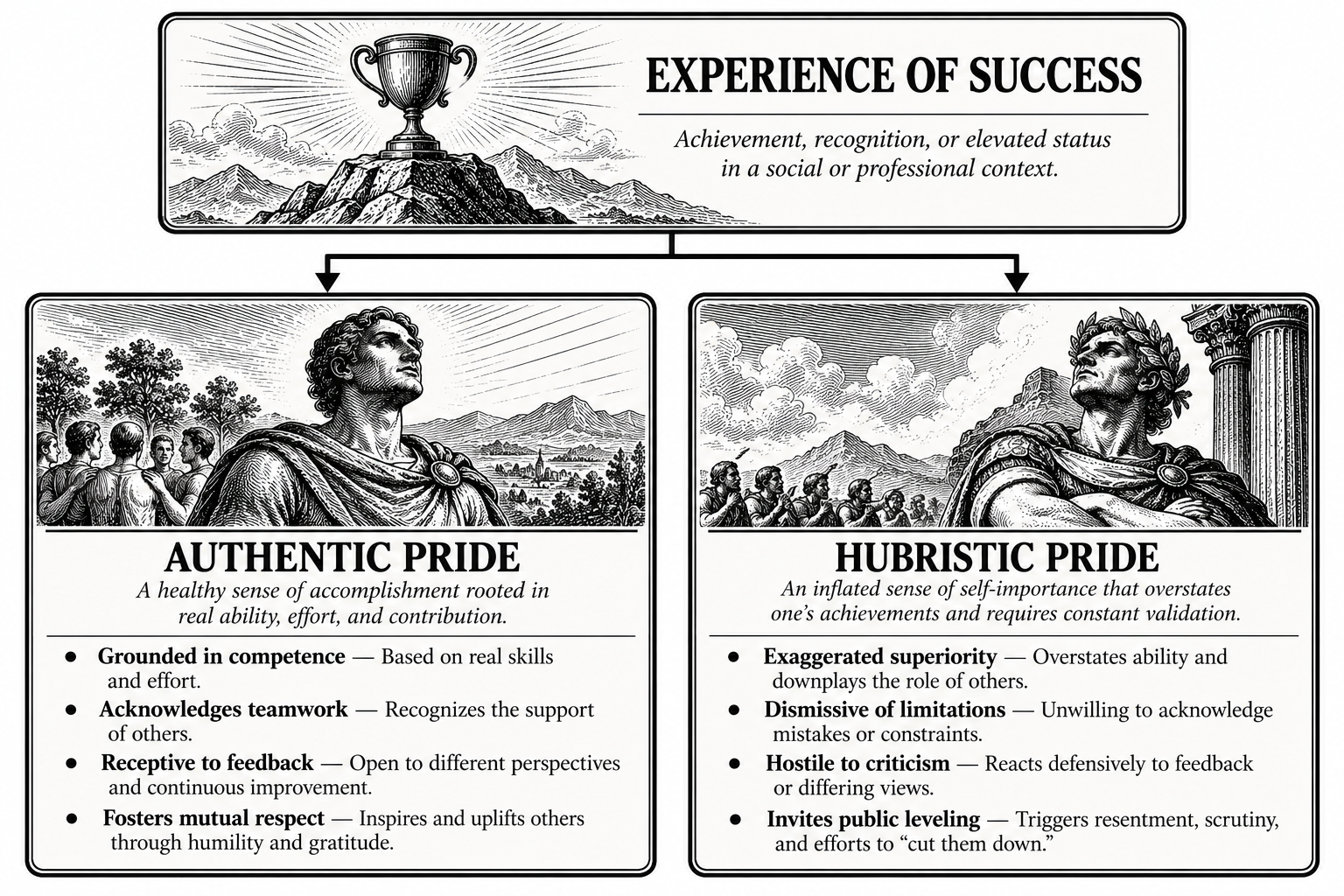
Chapter 5 – Associated Emotions and Beliefs: Jealousy, Hate, Fear, Self-Righteousness, and Hypocrisy
Explores the broader matrix of reactive emotions and cognitive stances that accompany and disguise tall poppy cutting. It establishes a vital distinction between two-party envy (coveting what another possesses) and three-party jealousy (fearing the loss of an established relationship or position to a rival). Key case studies examine how these forces operate across interpersonal and public spheres.
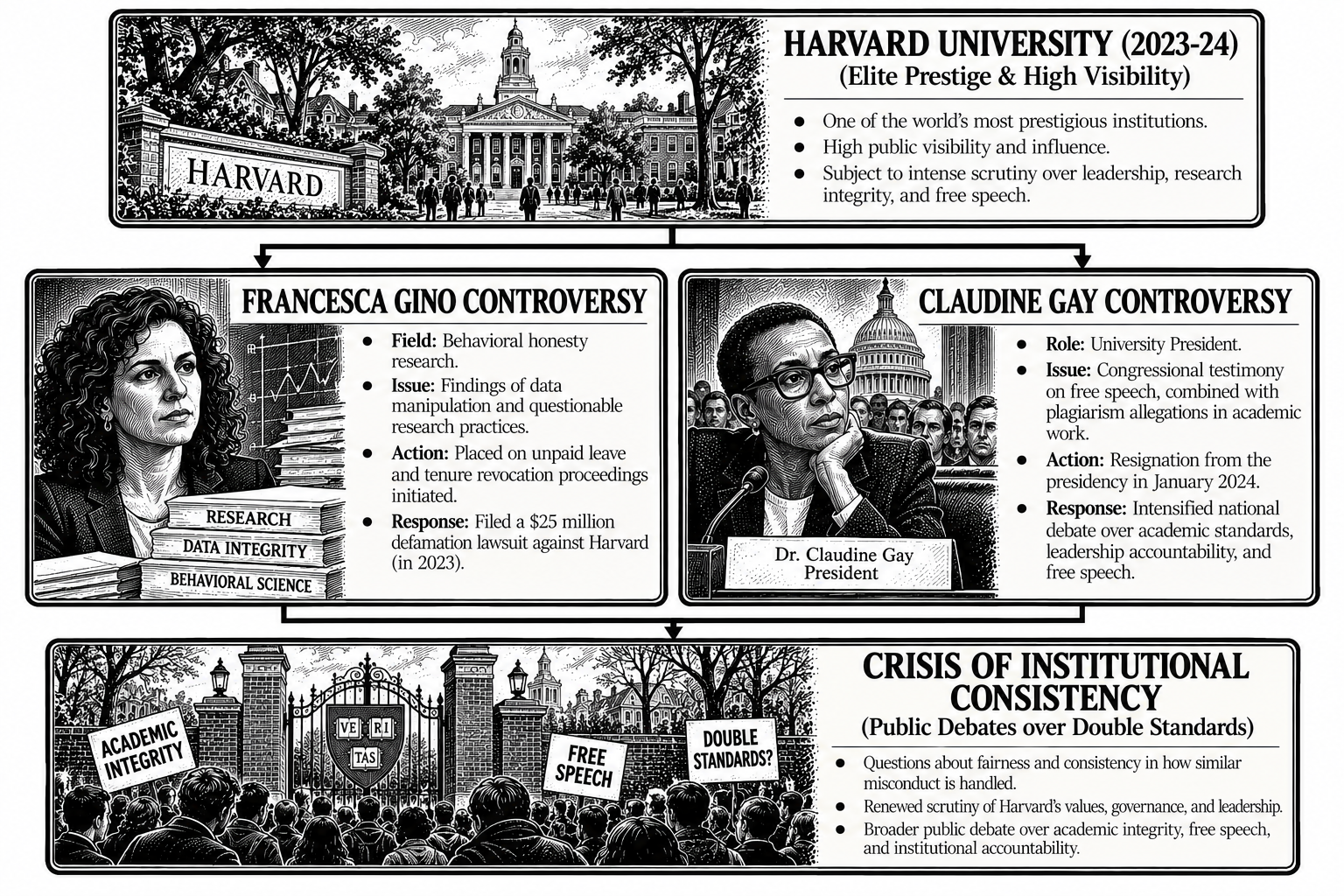
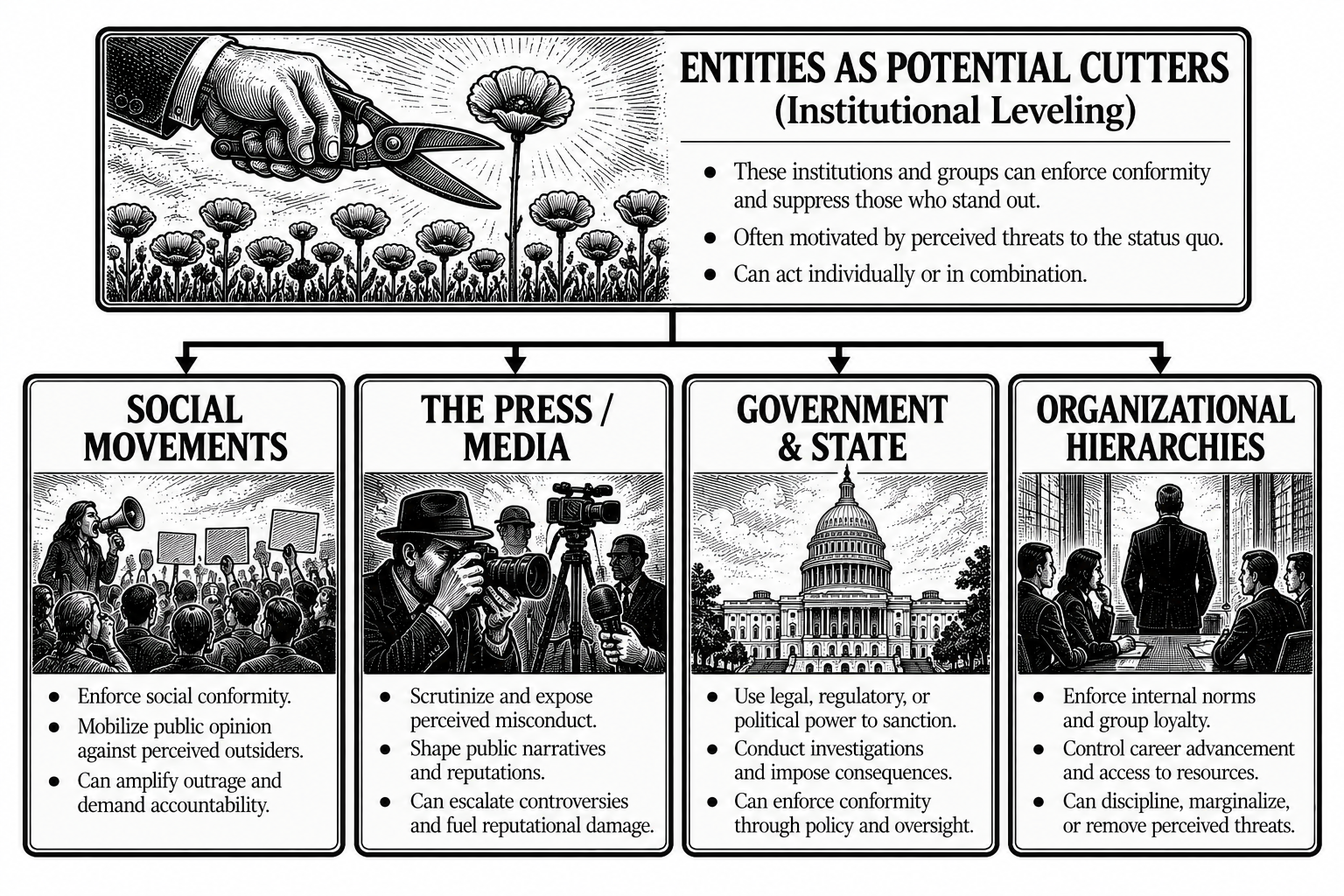
Chapter 6 – Entities as Cutters: Movements, the Press, Government, and Hierarchies
Expands the tall poppy framework beyond individual psychology to analyze how collective structures—social movements, the press, governmental systems, and corporate hierarchies—function as organizational cutters. While these entities serve essential democratic functions when acting fairly, they can also enforce oppressive conformity when their actions become selective or disproportionate. The chapter details four distinct domains of institutional leveling.
Chapter 7 – Non-Emotional Methods for Cutting Down
Categorizes the tactical toolset used to diminish or eliminate high achievers. It distinguishes between legitimate social communication or legal oversight and weaponized mechanisms of leveling.
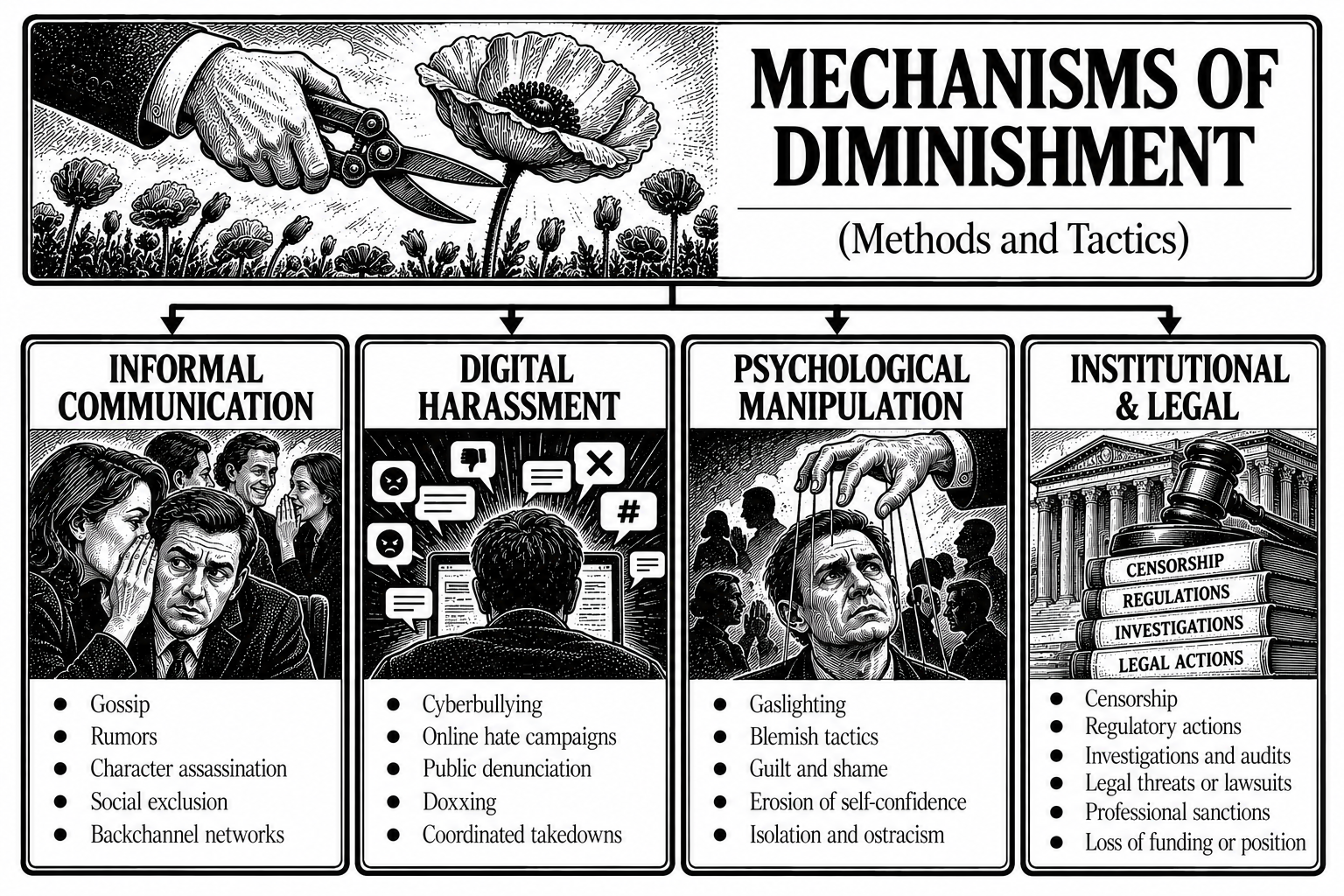
The text provides explicit criteria for evaluating whether a tactic represents fair accountability or unfair cutting: evaluating intent, factual accuracy, proportionality, context, and procedural fairness. It defines gaslighting in its strict psychological sense—systematic manipulation targeting memory and perception—while examining how administrative systems can be weaponized through bad-faith licensing complaints or predatory litigation.
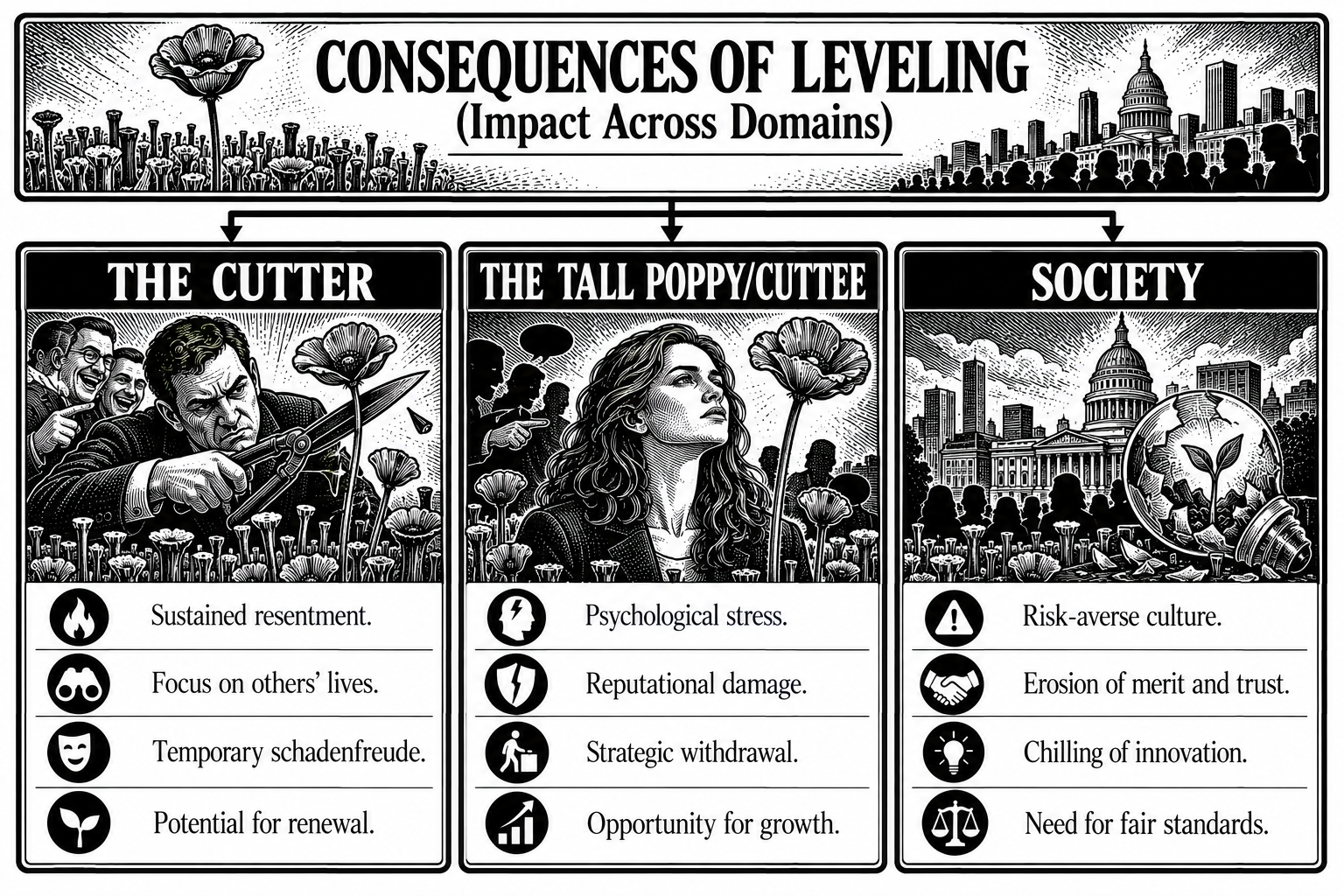
Chapter 8 – The Consequences of the Tall Poppy Syndrome
Evaluates the short- and long-term costs of social leveling across three distinct levels: cutters, cuttees, and society. It explores the double-edged nature of social leveling, acknowledging that while cultural expectations of modesty can foster community cohesion, coercive conformity stifles human potential.
Chapter 9 – Conditions Similar to the Tall Poppy Syndrome
To prevent misdiagnosis and conceptual confusion, Chapter 9 establishes clear boundaries between Tall Poppy Syndrome and related psychological or social phenomena.
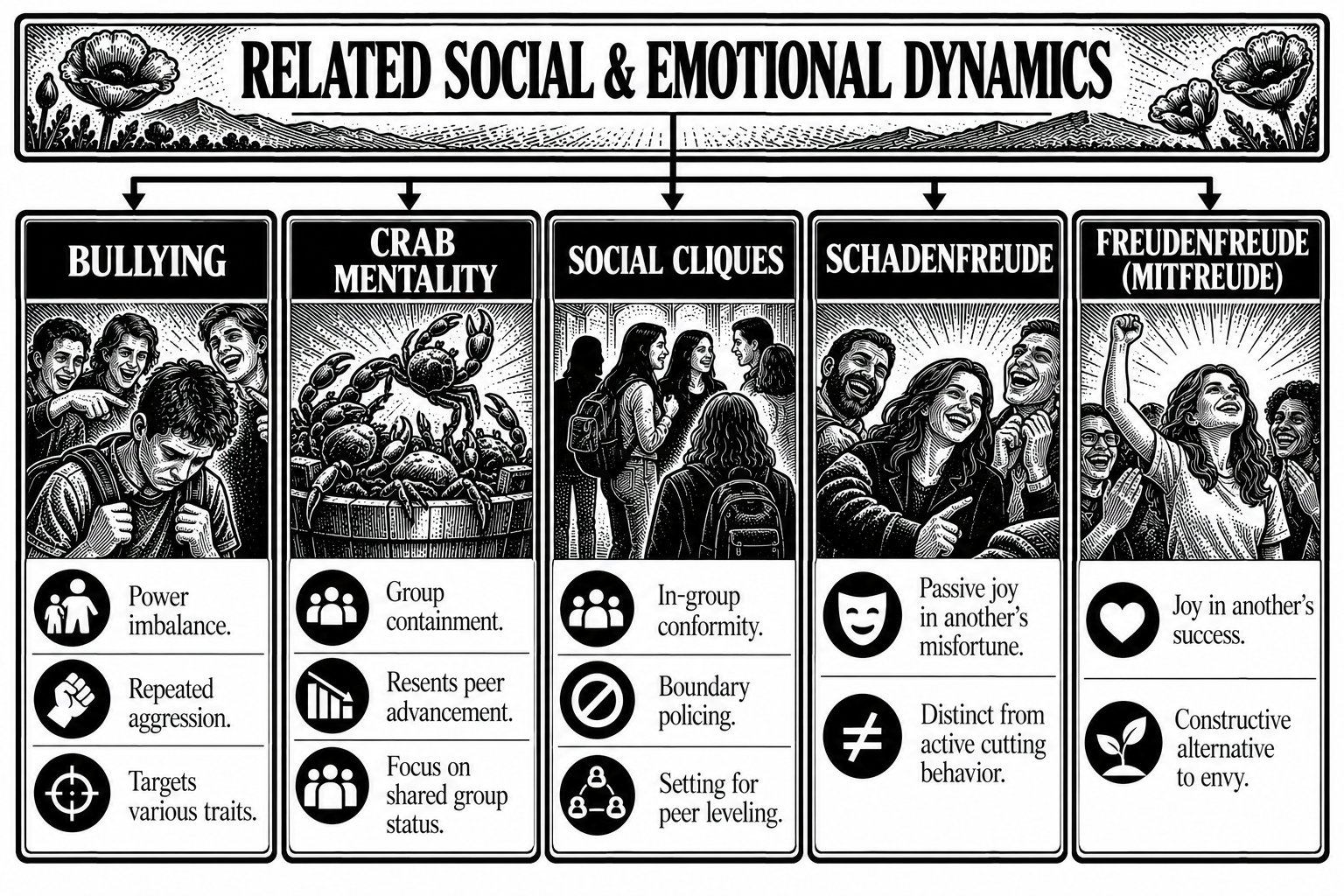
While tall poppy cutting targets individuals because of their distinction or success, bullying targets individuals due to perceived vulnerability. It presents freudenfreude (the modern translation of standard German Mitfreude or Buddhist mudita) as the essential emotional antidote to envy.
Chapter 10 – Becoming a Tall Poppy and Surviving
Transitions from analytical critique to constructive virtue ethics, exploring how high achievers can lead with integrity, handle visibility with humility, and withstand social hostility. It opens with the inspiring yet sobering story of Homero Gómez González, "The Guardian of the Monarchs," who transformed his community in Michoacán, Mexico, through sustainable butterfly conservation before his tragic death in 2020.
Chapter 11 – Transformation
Grounds organizational reform in real-world leadership practice, featured through Dr. Garland's personal reflections during his three-decade career as an orthopedic surgeon and administrator at Rancho Los Amigos National Rehabilitation Center in Southern California. Establishes concrete organizational safeguards: implementing objective evaluation metrics, ensuring equal access to credit, maintaining transparent policies for external consulting, and establishing safe channels for grievance resolution.
Chapter 12 – From Vice to Virtue
Provides a practical reflection guide and presents Seven Transformation Manifestos matching each classical vice with its transformative counter-virtue. Each manifesto provides a reflective declaration designed for daily personal and professional practice:
- Gratitude & Kindness Manifesto
- Patience Manifesto
- Diligence Manifesto
- Humility Manifesto
- Generosity Manifesto
- Restraint & Integrity Manifesto
- Temperance Manifesto
Chapter 13 – Policy, Perspective, and Conclusion
The final chapter integrates civic economics, philosophical wisdom, and personal action. It examines high-earner tax debates in Seattle and New York through former Citicorp chairman Walter Wriston’s maxim ("Capital goes where it is welcome and stays where it is well treated"), balancing concerns over punitive economic leveling against municipal investments in public equity.
The narrative connects economic tensions with philosophical reflections from Buddhism (understanding dukkha and relinquishing external scapegoating) and Christian scripture (Romans 5:3–4, where suffering produces endurance, character, and hope). Dr. Garland outlines a Five-Stage Model for Personal and Cultural Transformation:
Education → Conviction → Determination → Action → Effort & Habituation