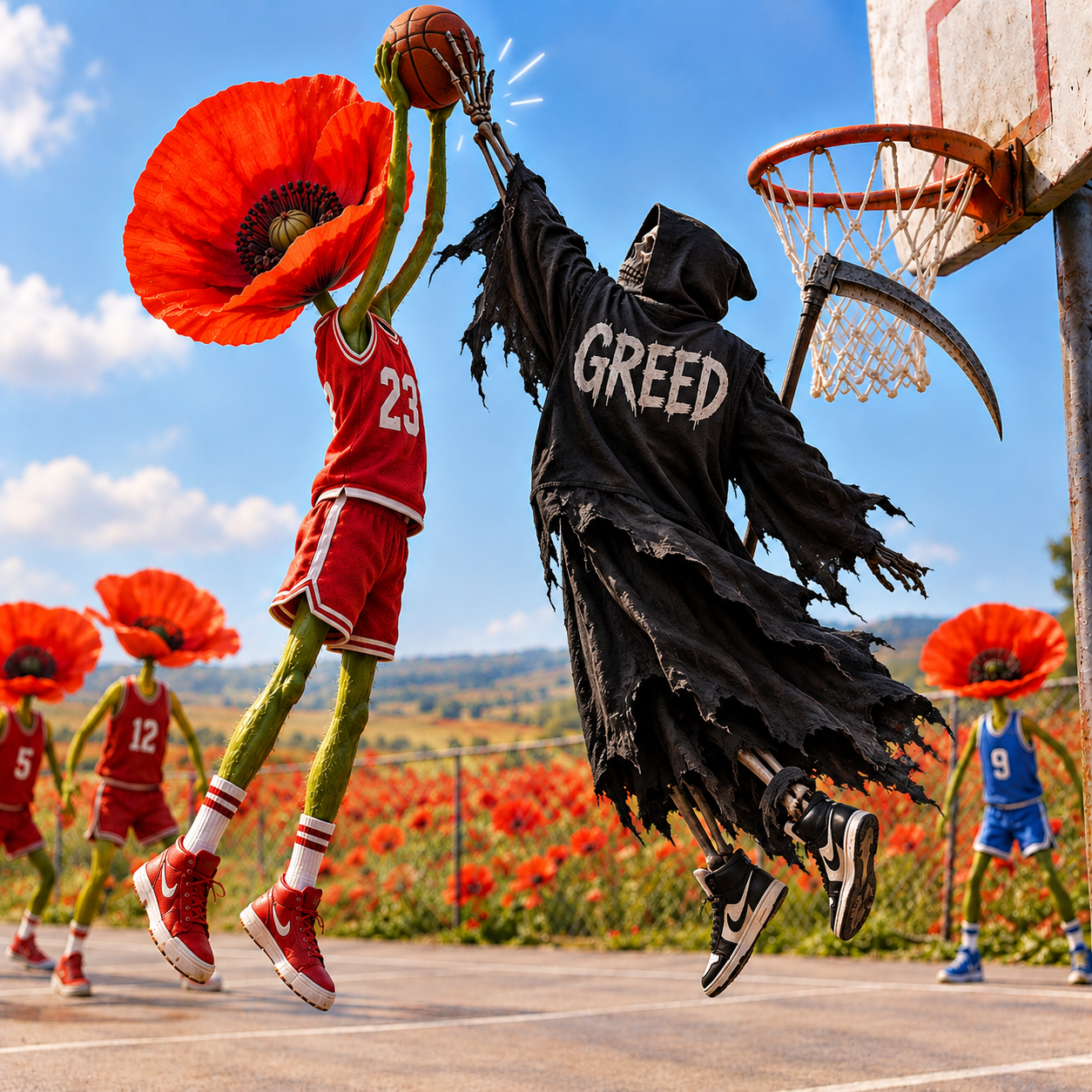
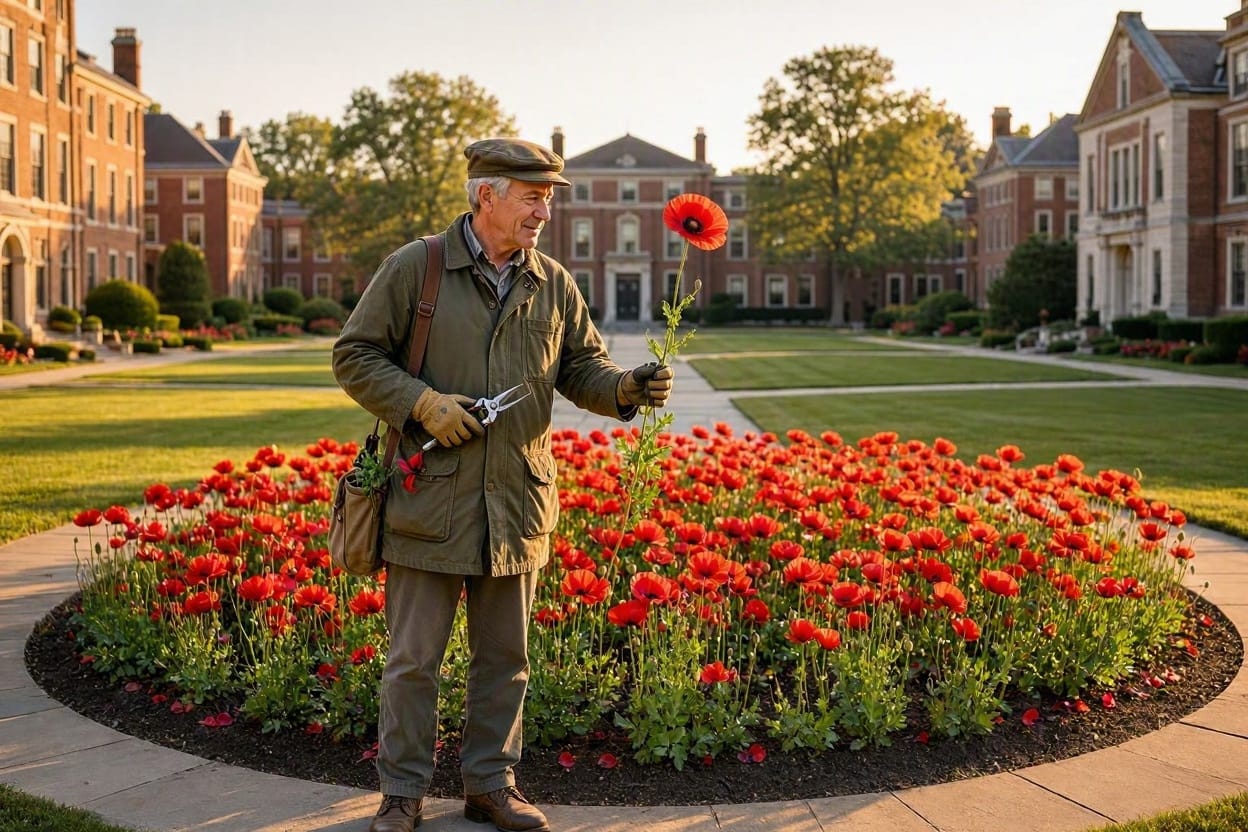
Navalny's Lawyers Are Tall Poppied
The care of human life and happiness, not their destruction, is the first and only legitimate object of good government. Abraham Lincoln
In a previous blog, I discussed Alexei Navalny and two Russian compatriots under a different pretext (see Navalny-Skripal-Prigozhin: Courage and the Tall Poppy Syndrome). The narrative described governmental TPS, which included the poisoning and death of opposition leader Navalny. I thought his chapter was closed but the saga continued.
Alexei Navalny
Alexei Navalny (1976–2024) was a prominent Russian opposition leader, anti-corruption activist, and outspoken critic of Vladimir Putin. Born June 4, 1976, in Butyn, Russia, he grew up in Obninsk and graduated with a law degree from the Peoples' Friendship University of Russia in 1998. He later earned an economics degree in 2001 from the Financial University under the Government of the Russian Federation.
Navalny joined the liberal Yabloko party in 2000 and became deputy chairman of its Moscow branch. However, he was expelled in 2007 due to his nationalist views. He subsequently launched the National Liberation Movement and began focusing on anti-corruption efforts.
Navalny gained prominence as a blogger exposing corruption in state-controlled corporations and government contracts. In 2010, he launched RosPil.net to crowdsource investigations into government corruption and founded the Anti-Corruption Foundation (FBK) in 2011. His exposés on high-level corruption, including a viral video targeting Dmitry Medvedev in 2017, made him a significant figure in Russian politics.
Navalny became a global symbol of resistance against Putin's regime after leading mass protests against election fraud in 2011. He was frequently arrested and faced numerous legal charges, including embezzlement and extremism. Despite being barred from running for president in 2018, he remained a key opposition figure.
In August 2020, Navalny survived a poisoning attempt with a nerve agent, widely attributed to Russian authorities. After recovering in Germany, he returned to Russia in January 2021 and was immediately arrested. Over time, his prison sentence accumulated to over 30 years. In December 2023, he was transferred to a penal colony near the Arctic Circle.
Navalny died on February 16, 2024, while imprisoned under harsh conditions. His death sparked international tributes and condemnation of Putin's regime.
Navalny's Three Attorneys Tried and Sentenced
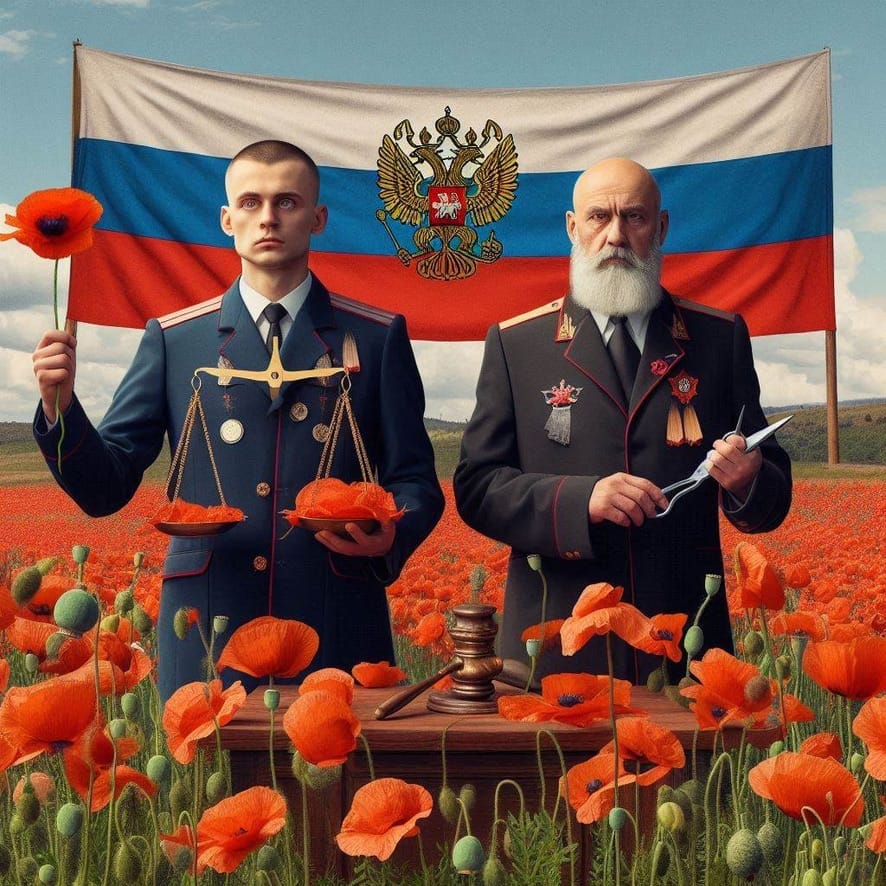
Three lawyers who represented the late Russian opposition leader Alexei Navalny have been sentenced to prison terms in Russia. On January 17, 2025, a court in Petushki, about 80 miles east of Moscow, found Vadim Kobzev, Igor Sergunin, and Alexei Liptser guilty of participating in an "extremist organization".
The sentences were 5.5 years for Vadim Kobzev, 5 years for Alexei Liptser, and 3.5 years for Igor Sergunin. The lawyers were arrested in October 2023 while Navalny was still alive and imprisoned in Siberia.
Prosecutors alleged that they exploited their professional status to deliver messages from Navalny to his supporters, enabling him to continue leading what authorities deemed an extremist organization. The case is widely seen as part of the Kremlin's ongoing crackdown on dissent, which has intensified following Navalny's death in February 2024 and Russia's military actions in Ukraine.
Human rights organizations have condemned the sentencing, with Amnesty International calling it "a disgraceful effort to silence those who dared to advocate for Navalny." Two additional lawyers who represented Navalny, Olga Mikhailova and Alexander Fedulov, have fled the country and been charged in absentia. This development highlights the increasing risks faced by legal professionals who take on politically sensitive cases in Russia.
Not Yet!
I blogged about a similar circumstance in Ronald Sullivan: A Preposterous Victim of the Tall Poppy Syndrome. Sullivan was a Harvard Law Professor who joined Harvey Weinstein's legal defense team at the beginning of 2019. The Cancel Culture took action and was instrumental in pressuring Harvard to cut him down -canceled his Faculty Dean position.
Are Sinclair Lewis's "It Can't Happen Here" and Russia's actions signs of the potential weaponization of the US Department of Justice against attorneys defending governmental opposition? Stay tuned.
Tall Poppy Syndrome Newsletter
Join the newsletter to receive the latest updates in your inbox.