John Wilkes, Good Envy, and the Tall Poppy Syndrome.

"Guard with jealous attention the public liberty. Suspect every one who approaches that jewel. Unfortunately, nothing will preserve it but downright force. Whenever you give up that force, you are inevitably ruined."
~ Patrick Henry
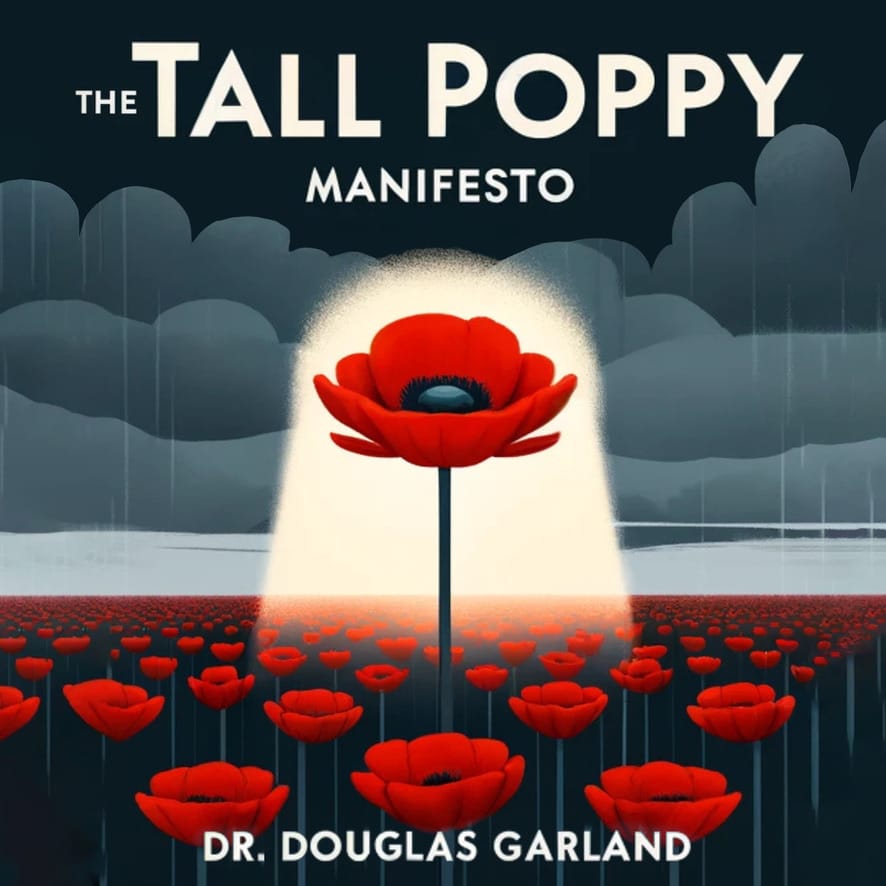
Patrick Henry uses "jealous" correctly, meaning that we possess something (liberty) that we can always lose. Envy is an antonym — coveting something that we do not possess. Aristotle divided envy into good and bad components — bad envy is coveting something in another person which you do not possess, while good envy stimulates emulation or inspiration from someone's possessions (see Good Envy and Tennis Tall Poppies).
The Stamp Act (An Act for Granting and Applying Certain Stamp Duties in the British Colonies and Plantations in America) required colonists to buy and use specially stamped paper for newspapers, legal papers, licenses, contracts, and even playing cards, with penalties for noncompliance.
Parliament enacted the tax to help pay for British troops and imperial expenses after the Seven Years’ War, but not their own people. The colonists saw it as taxation without representation because it was imposed directly by Parliament without the consent of colonial legislatures.
The law provoked widespread protest, boycotts, angry newspapers and petitions, and the formation of organized resistance (including the Sons of Liberty). Enforcement problems and political pressure led Parliament to repeal the Stamp Act in 1766 before any taxes were collected. Subsequently, they issued the Declaratory Act asserting parliamentary authority over the colonies in its place.
The Sons of Liberty were a network of colonial activists who formed in 1765 to resist British taxation and assert American political rights; their actions — from organizing protests and boycotts to leading events like the Boston Tea Party — helped turn local grievances into a broad movement for independence.
The group first coalesced after the Stamp Act of 1765 as artisans, merchants, and political leaders organized to oppose taxes imposed without colonial representation in Parliament. They took their name from a pro-colonial speech in Britain and operated as loosely organized, often secret cells that coordinated publicity, petitions, and direct action against British officials and customs officials.
Members used print, public meetings, and symbolic sites (such as Boston’s “Liberty Tree”) to rally support, and they enforced noncompliance through organized boycotts and, at times, violent intimidation of stamp agents and loyalists. Their methods ranged from persuasive pamphleteering and coordinated trade boycotts to dramatic theatrical protests — most famously, participants disguised as Mohawks dumping East India Company tea into Boston Harbor in 1773.
Familiar patriots (tall poppies) associated with Sons of Liberty activity included Samuel Adams, John Hancock, and Paul Revere in Massachusetts, while similar committees and “sons” sprang up across other colonies, often linking to existing groups such as the Loyal Nine. Leadership was informal and regional: the movement’s influence came from coordinated local actions rather than a single command structure.
By turning disparate economic and legal complaints into mass political resistance, the Sons of Liberty helped prevent the enforcement of unpopular measures like the Stamp Act and escalated colonial unity, making armed revolution conceivable by the early 1770s.
“Taxation without representation” (Townshend and Tea Acts) mattered because it challenged a core political principle — that those who make laws and levy taxes must answer to the people who pay them — and colonists saw Parliament’s unilateral taxes as a denial of their rights and political power.
Colonists believed English constitutional practice required consent to taxation through representatives; taxes imposed by a distant Parliament in which they had no elected members violated that principle and therefore felt illegitimate to them.
Colonists framed the issue as an assault on the rights of Englishmen (including the right to trial by jury and to local self-government), arguing that external taxation without local consent amounted to political disenfranchisement.
Actual representation meant the possibility of influencing policy and holding tax-writers accountable; “virtual representation” (Britain’s claim that Parliament represented all imperial subjects) offered no real leverage, so the colonists viewed the arrangement as a transfer of power away from local self-rule.
John Wilkes (1725–1797) was a prominent and controversial English journalist, radical politician, and campaigner for civil liberties whose clashes with government authority made him a popular champion of liberty in 18th‑century Britain.
Wilkes trained as a lawyer but made his name as a pamphleteer (The North Briton) and journalist, publishing aggressively anti‑government material that attacked ministers and defended what he called popular rights.
Issue 45 of The North Briton, April 1763, fiercely criticized King George III's speech to Parliament. It declared the monarch's address to be nothing more than the King's ministers' words, famously stating that the King's name had been used to "sanction the most odious measures, and the most unjustifiable public declarations." This incident highlighted the tension between the monarchy and Parliament, as the government sought to maintain control over the press while the public increasingly demanded freedom of expression.
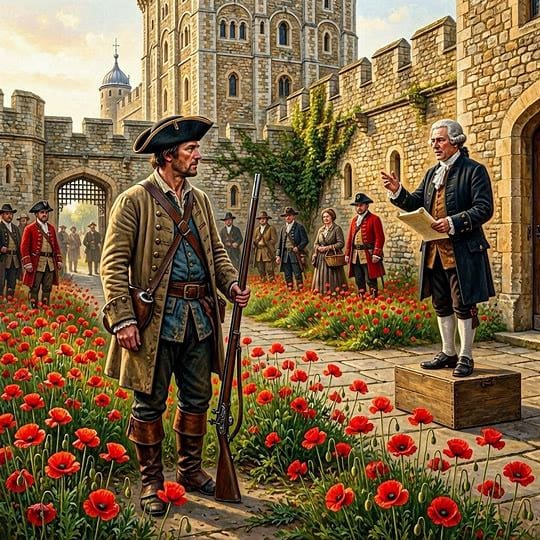
Wilkes was imprisoned (tall poppied - by bad envy, anger, pride, and power) in the dreaded Tower of London for seditious libel. He was freed by the court, which found that his freedom of speech had been violated. The high‑profile prosecution raised questions about limits on political speech and whether critics could be punished for attacking government policy.
Wilkes's various arrests sparked public outcry, rallying supporters who chanted "Liberty" and establishing him as a symbol of resistance against government censorship. His publication The North Briton (especially No. 45) and other outrages provoked repeated legal action: he was repeatedly charged with seditious libel, expelled from Parliament multiple times, and even temporarily declared an outlaw—episodes that turned prosecutions into cause célèbres and rallied public sympathy.
Wilkes’s ability to turn legal persecution into mass political support helped create early forms of popular radicalism in London; crowds rallied around symbols such as his printed number 45 and the cry “Wilkes and liberty,” making him a de facto leader of urban dissent.
John Wilkes’s confrontations with the British government — especially his prosecution over The North Briton No. 45 and his repeated expulsions from Parliament — made him an international symbol of resistance to arbitrary power, and American patriots (including the Sons of Liberty) adopted his name, imagery, and tactics as inspiration for colonial protest.
"The care of human life and happiness, and not their destruction, is the first and only legitimate object of good government."
~ Thomas Jefferson
Wilkes’s slogan “Wilkes and Liberty” and the printed emblem of his prosecuted Number 45 on badges and porcelain became rallying symbols in colonial political culture, entering the language and iconography used by groups like the Sons of Liberty to frame their opposition to ministerial overreach. The controversy helped popularize the idea that wrongful government power should be resisted publicly.
Colonial activists copied (good envy) Wilkes’s methods of turning legal prosecutions into popular outrage by publicizing trials, circulating broadsides, and organizing mass demonstrations that shifted private grievances into public, politicized movements.
American leaders and local committees corresponded with and financially supported Wilkes, treating him as an ally in a broader imperial struggle over rights; Boston’s Sons of Liberty explicitly wrote to and praised Wilkes in 1768.
Wilkes helped legitimize the idea that popular public opinion and organized urban protest could check government abuses — a model the Sons of Liberty used to coordinate boycotts, public punishments of officials, and theatrical protests like the Tea Party.
Wilkes was a victim of his government's TPS for opposing its policies, as described by the ancient historians Herodotus and Livy (see Livy, Tarquin the Proud, & The Tall Poppy Syndrome). Wilkes, like many TPs, is repeatedly cut down before entering tallpoppydom. Many colonial patriots emulated Wilkes and his tactics (good envy). He is a quintessential example of why TPs matter (see Why Tall Poppies Matter).
"Give me liberty or give me death!"
~ Patrick Henry (1775)

Tall Poppy Syndrome Newsletter
Join the newsletter to receive the latest updates in your inbox.