Was Budweiser a Victim of the Tall Poppy Syndrome?

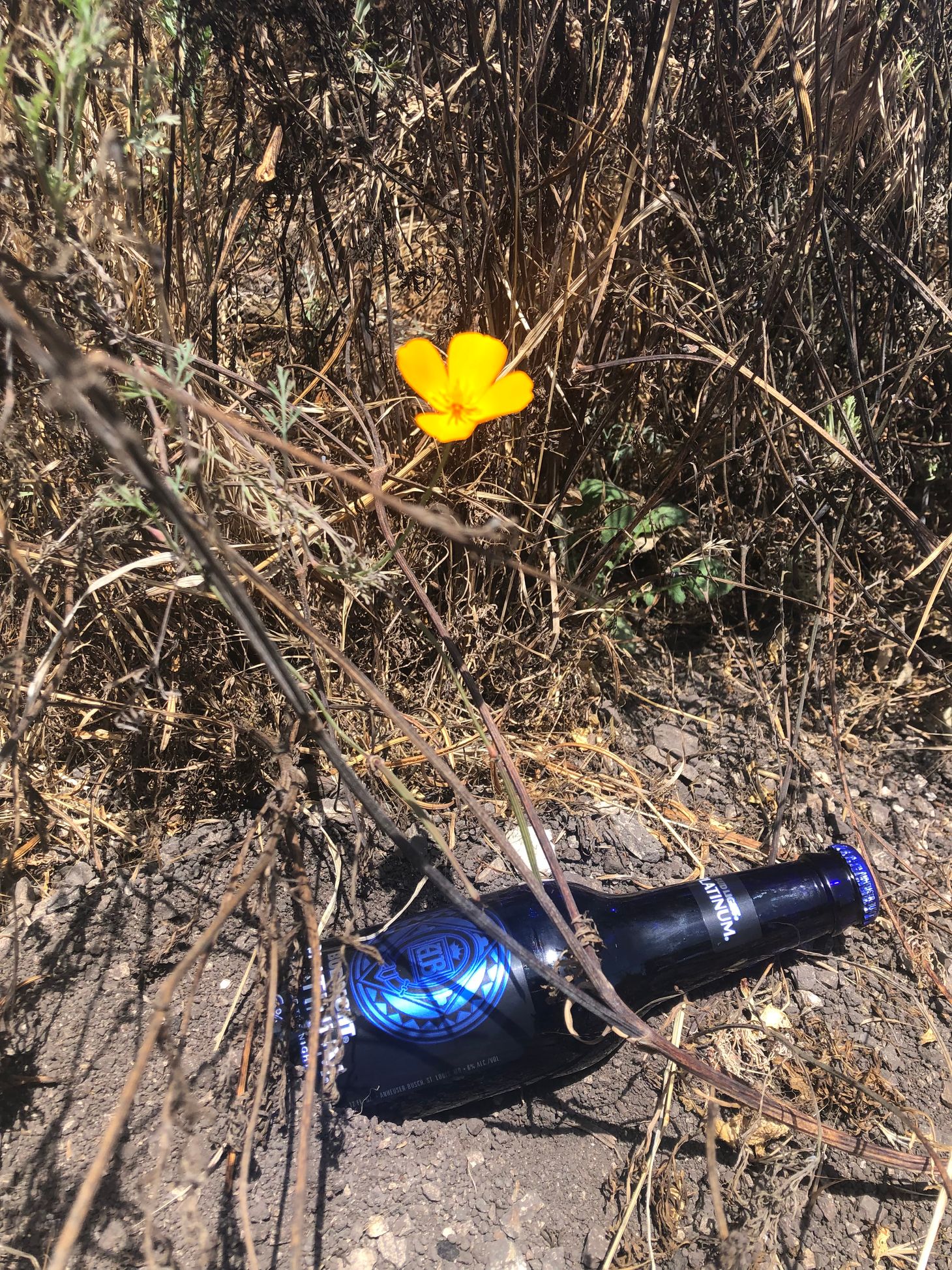
Can businesses be victims of the Tall Poppy Syndrome (TPS)? The answer to both questions is a resounding yes. After the storyline is recounted, I will take you through the TPS anatomy as described in Anatomy of the Tall Poppy Syndrome.
Bud Light was a top-selling beer when it hired transgender activist and influencer Dylan Mulvaney as a spokesperson for the brand. TikToker Mulvaney began promoting Bud Light in April and the posts were controversial, to say the least. The negative reaction was swift when conservatives began boycotting the beer. Sales plummeted.
Worse yet, Anheuser-Busch sent Mulvaney a "custom can" with her face on it to celebrate her "365 Days of Girlhood." She posted the can and many mistakenly thought they would be looking at her face as they were having a frosty. So much for TGIF.
The boycott deepened when its marketing vice president was captured on camera dishing the brand's customers as "fratty" with "out of touch humor." This rekindled a certain demographic's memory of Hillary Clinton's 2016 remark that half of Donald Trump's supporters belong in a "basket of deplorables" and Obama's "guns and religion" remark in the Midwest in 2008.
The brand has lost nearly 30% of its market share with no signs of relief. It is no longer the top-selling beer in America. The parent company has lost nearly $30 billion in market cap with a 10% drop in stock price. The CEO remained insincere and evasive when queried about the partnership. New marketing attempts have been platitudinous and trite.
Best-selling author Jim Collins (Good to Great) also penned How the Mighty Fall and Why Some Companies Never Give In. The #1 reason for a company's failure was the company or CEO's hubris born of success. This is identifiable in the influencer, marketing, and CEO. They seem to be selling pride, not beer.
When one identifies TPS, an analysis of the behavior of the cutter and the cuttee (Tall Poppy) is necessary to recognize the guilty party. Dark emotions are consistently detected in each separately. In the above case study, the cutters seem justified in their decision to boycott the brand. The company's hubris got in the way of serving its customers.
Humility nullifies pride. Admitting a mistake is difficult for the prideful as well as making an apology. To date, all have failed miserably. I doubt Mulvaney will be pitching Ford F-150 pickup trucks any time soon.

Tall Poppy Syndrome Newsletter
Join the newsletter to receive the latest updates in your inbox.